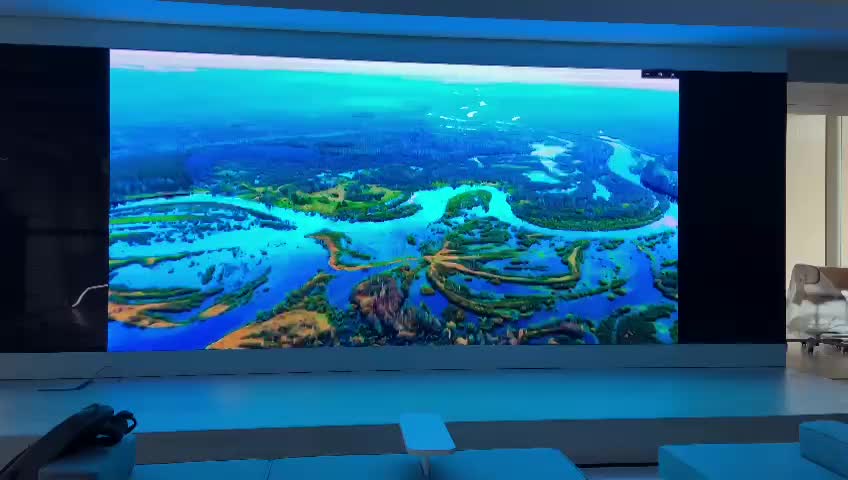
Indoor LED Video Walls for MBC Studios
LED Video Walls for MBC Studios — MBC Studio and Al Alamiya Studio
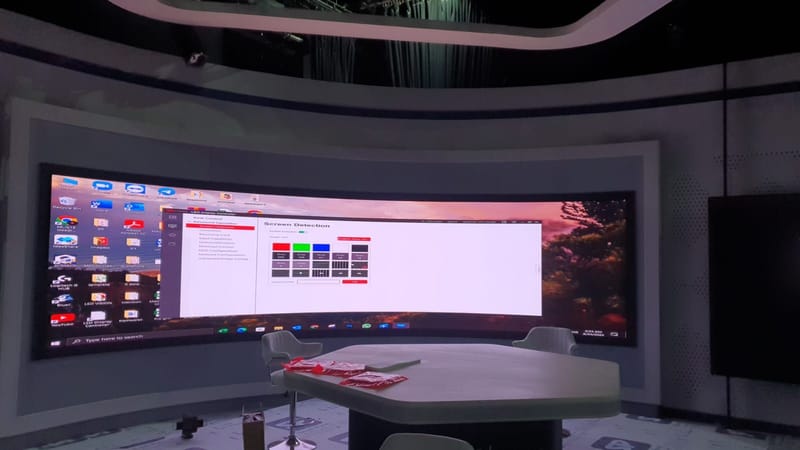
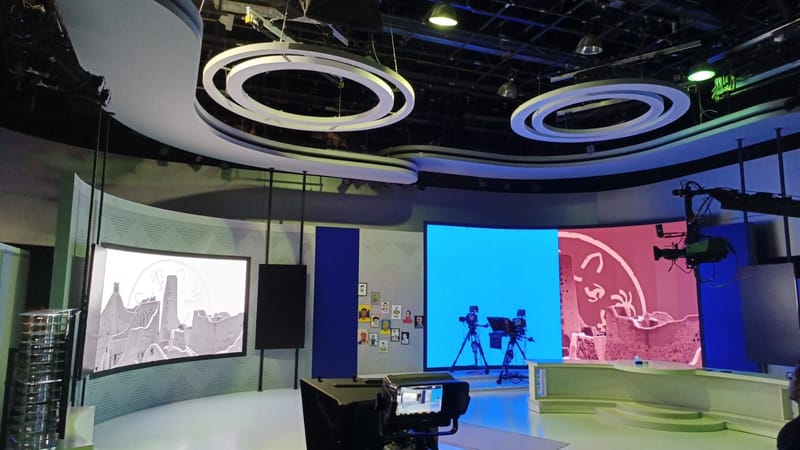
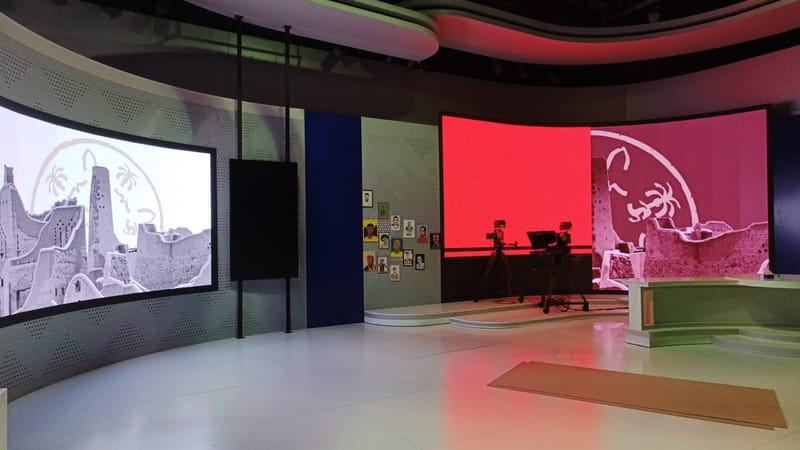
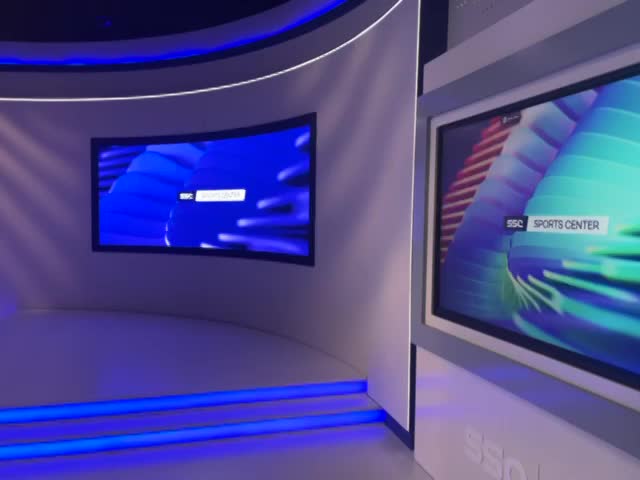
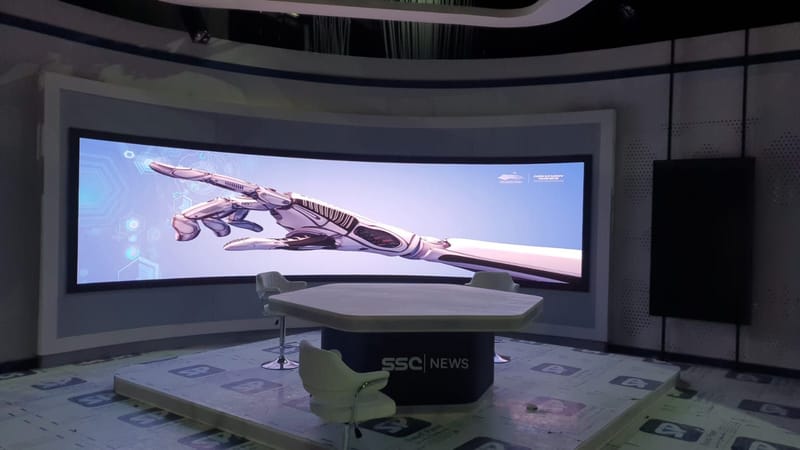
Fast Vision supplied and installed four indoor fine-pitch LED video walls across two MBC Group studios — MBC Studio and Al Alamiya Studio — totalling 50.26 m² of display surface, built with Hikvision DS-D4218FI-CWF and Hikvision DS-D4218FI-CAF cabinets and designed to be shot directly by studio cameras as broadcast backdrops. قامت شركة "الرؤية السريعة" بتوريد وتركيب أربعة جدران فيديو LED داخلية ذات بكسل دقيق (Fine-Pitch) موزعة على استديوهين تابعين لمجموعة MBC — استديو MBC واستديو العالمية — بإجمالي مساحة عرض تبلغ 50.26 متراً مربعاً، تم بناؤها باستخدام كابينات Hikvision من طرازي DS-D4218FI-CWF وDS-D4218FI-CAF، وصُممت لتمثيل خلفيات بث يتم تصويرها مباشرة بواسطة كاميرات الاستديو.

The Challenge | التحدي
A studio wall is judged through a camera lens, not by the naked eye, and that single fact changes every tolerance on the job. First, a joint between two adjacent cabinets that is invisible in the room shows up as a hard line on camera, so the acceptable variation in surface flatness is far tighter than on a conventional install. Second, the four walls range from 4.86 m² to 27.22 m² and sit in two separate studios, yet had to match in colour and brightness so the backdrop does not shift in appearance when production cuts between cameras or between studios within the same programme. Third, installation took place inside finished sets already fitted with lighting and cameras, so each wall had a predetermined footprint that could not be adjusted. يتم تقييم جدار الاستديو من خلال عدسة الكاميرا وليس بالعين المجردة، وهذه الحقيقة المباشرة تُغيّر كل معايير الدقة والتحمل في العمل. أولاً، إن الفاصل أو الوصلة بين كابينتين متجاورين والذي قد يكون غير مرئي في الغرفة، يظهر كخط حاد وواضح على الكاميرا؛ ولذلك فإن مستوى التفاوت المقبول في استواء السطح يُعد أضيق بكثير مقارنة بالتركيبات التقليدية. ثانياً، تتراوح مساحات الجدران الأربعة بين 4.86 م² و27.22 م² وتقع في استديوهين منفصلين، ومع ذلك كان يجب أن تتطابق تماماً في الألوان والسطوع حتى لا تتغير خلفية المشهد عند انتقال الإنتاج بين الكاميرات أو بين الاستديوهات داخل البرنامج نفسه. ثالثاً، تم التركيب داخل مواقع تصوير جاهزة ومجهزة بالفعل بالإضاءة والكاميرات، مما يعني أن كل جدار كان له مساحة محددة ومسبقة لا يمكن تعديلها.
The Solution | الحل
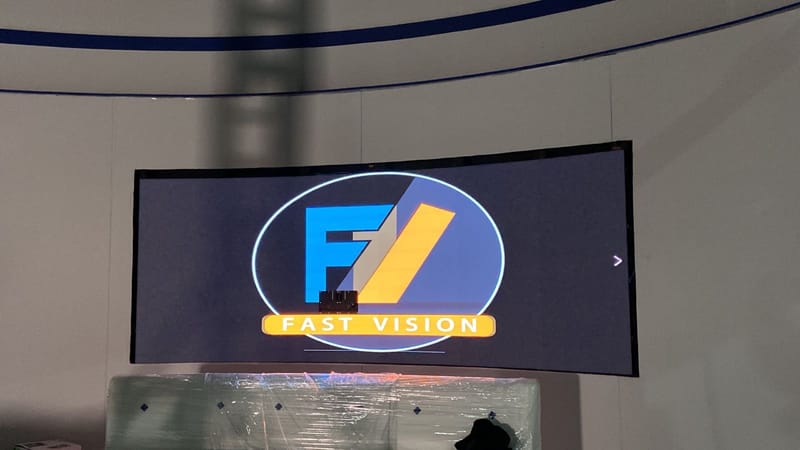
Hikvision's DS-D4218FI cabinet family was selected because it is built for close-viewing indoor environments, where both the audience and the camera sit near the surface. Two variants from the same family covered two different roles in each studio: DS-D4218FI-CWF for the smaller walls acting as secondary or side background elements, and DS-D4218FI-CAF for the wider primary walls carrying the full backdrop behind the presenter. Screen sizes were matched to the shooting angles used in each studio. MBC Studio received a 6.72 m wide primary wall alongside a smaller 3.60 m wide surface. Al Alamiya Studio holds the largest wall in the project at 7.20 m wide and 3.70 m high — 27.22 m² — covering a full wide shot without stitching multiple display sources, with a second screen 3.60 m wide and 2.03 m high. LED was chosen over projection or tiled LCD for three direct reasons: a continuous surface with no bezels, stable brightness that studio lighting cannot wash out, and the ability to shape the surface to follow the set's geometry instead of forcing a flat wall onto the design تم اختيار سلسلة كابينات DS-D4218FI من Hikvision لأنها مصممة لبيئات العرض الداخلية القريبة، حيث يجلس كل من الجمهور والكاميرا بالقرب من الشاشة. وغطى طرازان من نفس السلسلة دورين مختلفين في كل استديو: طراز DS-D4218FI-CWF للجدران الأصغر التي تعمل كعناصر خلفية ثانوية أو جانبية، وطراز DS-D4218FI-CAF للجدران الرئيسية الأوسع التي تحمل الخلفية الكاملة خلف المذيع. تمت ملاءمة أحجام الشاشات مع زوايا التصوير المستخدمة في كل استديو. حيث حصل استديو MBC على جدار رئيسي بعرض 6.72 متراً إلى جانب شاشة أصغر بعرض 3.60 متراً. بينما يضم استديو العالمية أكبر جدار في المشروع بعرض 7.20 متراً وارتفاع 3.70 متراً — بمساحة 27.22 متراً مربعاً — مما يغطي لقطة واسعة كاملة دون الحاجة لدمج مصادر عرض متعددة، بالإضافة إلى شاشة ثانية بعرض 3.60 متراً وارتفاع 2.03 متراً. تم اختيار شاشات LED بدلاً من أجهزة العرض الضوئي (Projector) أو شاشات LCD المجمعة لثلاثة أسباب مباشرة: سطح مستمر بدون حواف شاشة (Bezels)، وسطوع مستقر لا تتسبب إضاءة الاستديو في إبهاته، والقدرة على تشكيل السطح لبيئة الاستديو الهندسية بدلاً من فرض جدار مسطح على التصميم.
Execution | التنفيذ
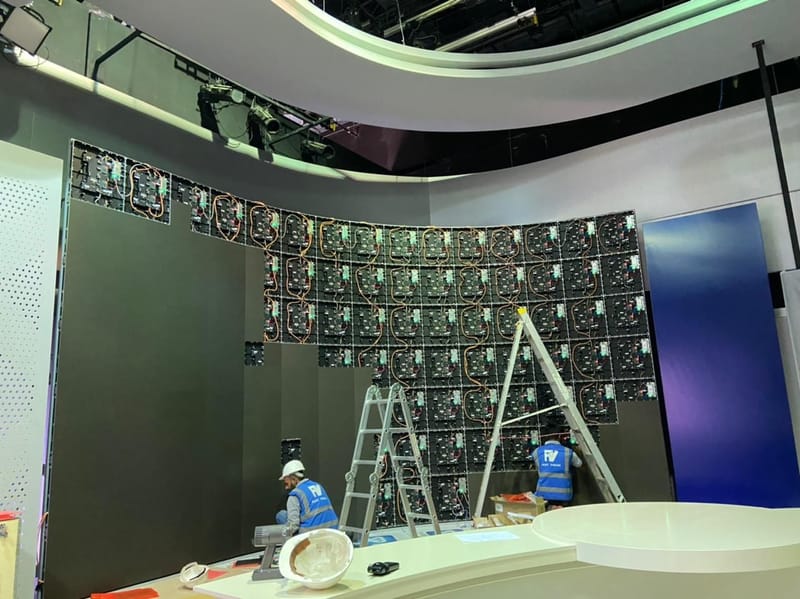
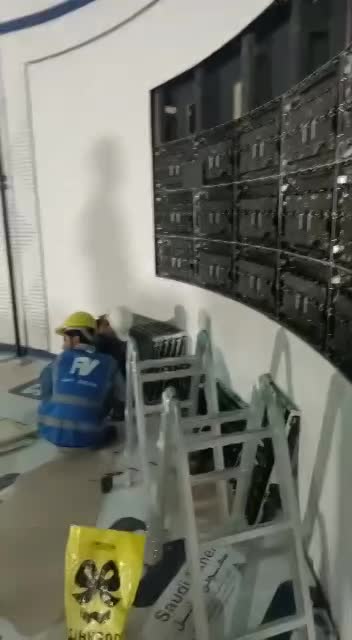
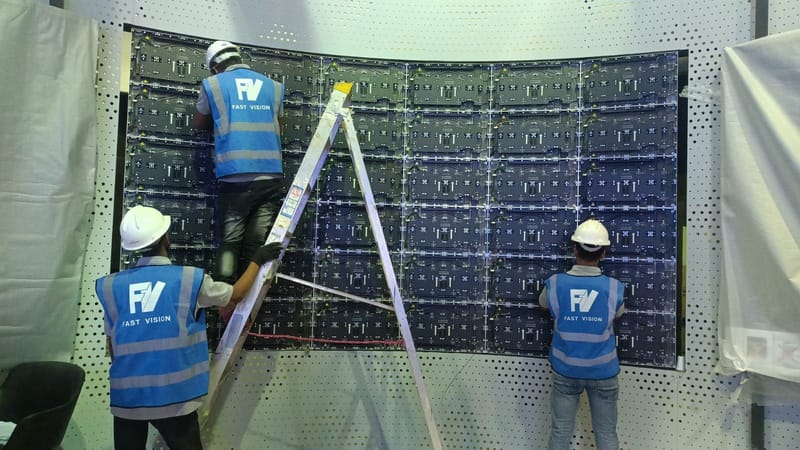
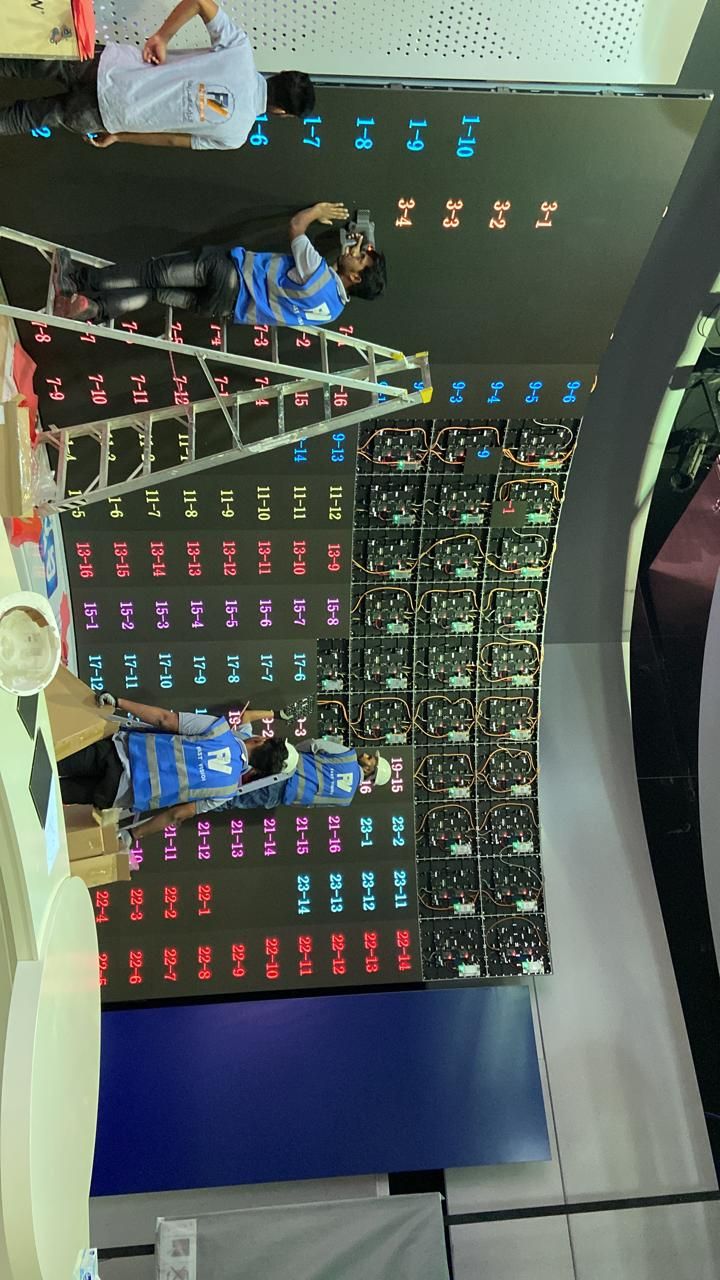
Work began with the support structures, each built to the footprint allocated within the set, followed by cabinet-by-cabinet installation with flatness and edge alignment checked at every joint — the longest stage in any studio project, because the standard is what the camera sees, not what the eye sees. Sending and processing units were then connected and the walls brought online, after which colour and brightness were calibrated screen by screen and then across all four walls together, under the studio's own lighting and through the cameras actually used in production, so the backdrops matched in recorded footage rather than on paper. Each studio was handed over ready to shoot. بدأ العمل بالهياكل الداعمة، حيث بُني كل هيكل وفقاً للمساحة المخصصة له داخل موقع التصوير، تلا ذلك تركيب الكابينات قطعة بقطعة مع فحص استواء السطح ومحاذاة الحواف عند كل وصلة — وهي أطول مرحلة في أي مشروع استديو، لأن المعيار المعتمد هو ما تراه الكاميرا وليس ما تراه العين. بعد ذلك، تم توصيل وحدات الإرسال والمعالجة وتشغيل الجدران، ثم خضعت الألوان والسطوع للمعايرة شاشة بشاشة، ثم عبر الجدران الأربعة معاً تحت إضاءة الاستديو الفعلية وعبر الكاميرات المستخدمة في الإنتاج، لضمان تطابق الخلفيات في المشاهد المصورة وليس على الورق فقط. وتم تسليم كل استديو وهو جاهز للتصوير الفوري.
Results | النتيجة
Four LED walls totalling 50.26 m² across two studios, the largest at 27.22 m² in Al Alamiya Studio, operating as broadcast backdrops shot directly by studio cameras with no post-processing. With a seamless surface and calibration matched across both studios, changing a backdrop became a matter of changing the content on screen rather than rebuilding the set for each programme. أربعة جدران LED بمساحة إجمالية بلغت 50.26 متراً مربعاً عبر استديوهين، أكبرهما بمساحة 27.22 متراً مربعاً في استديو العالمية، تعمل كخلفيات بث يتم تصويرها مباشرة بكاميرات الاستديو دون الحاجة لمعالجة بعدية (Post-processing). ومع وجود سطح انسيابي ومعايرة متطابقة عبر كلا الاستديوهين، أصبح تغيير الخلفية مجرد مسألة تغيير المحتوى على الشاشة بدلاً من إعادة بناء موقع التصوير لكل برنامج.