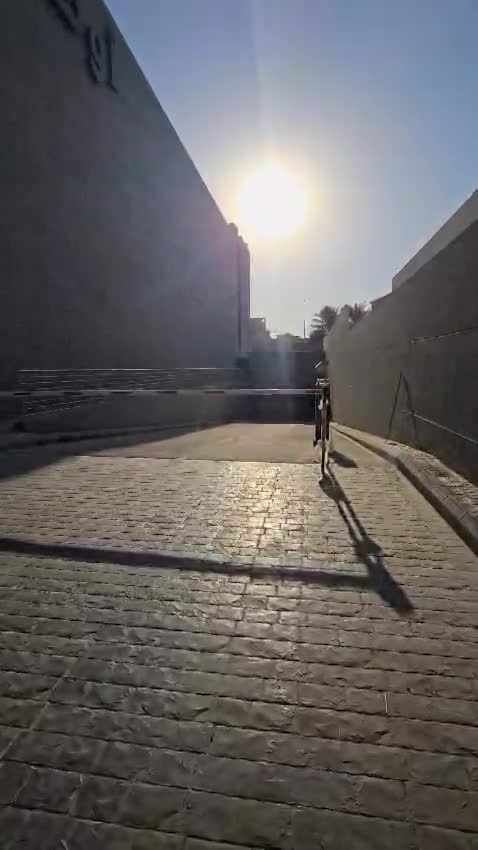
Parking Management System -Oxygen Club
Integrated Parking Management System for Oxygen Club — Automatic Barriers, ANPR and Self-Payment — Riyadh نظام التحكم في دخول المواقف والترخيص لنادي أكسجين الرياضي (Oxygen Club
Fast Vision delivered a complete parking management system for Oxygen Club in Riyadh, covering 6-metre arm automatic barriers on both entry and exit lanes, an Android ticket dispenser, an exit unit with QR reader, card reader, intercom and screen, ANPR cameras that open the barrier automatically for registered members, and parking management software with self-payment — all completed within three to four actual working days. قامت شركة "الرؤية السريعة" بتوريد وتركيب نظام متكامل للتحكم بفرز قدمت شركة الرؤية السريعة (Fast Vision) نظاماً متكاملاً لإدارة المواقف لنادي أكسجين (Oxygen Club) في الرياض، يغطي مصدات وبوابات آلية بذراع طوله 6 أمتار على مساري الدخول والخروج، وجهاز إصدار تذاكر بنظام أندرويد (Android ticket dispenser)، ووحدة خروج مزودة بقارئ رمز استجابة سريعة (QR reader) وقارئ بطاقات ونظام اتصال داخلي (Intercom) وشاشة عرض، إضافة إلى كاميرات التعرف الآلي على لوحات السيارات (ANPR) التي تفتح البوابة تلقائياً للأعضاء المسجلين، وبرنامج إدارة مواقف مزود بخيار الدفع الذاتي — وتم إنجاز المشروع بالكامل خلال 3 إلى 4 أيام عمل فعلية.
The Challenge | التحدي
The club entrance serves two completely different users in the same lane. A member enters and leaves daily, and any stop to pull a ticket or make a payment becomes a queue at peak hours. A visitor needs a ticket, a duration calculation and a payment on exit. A system that treats both the same way produces either congestion at the gate or gaps in revenue collection. The second challenge is safety. A barrier that closes its arm on a timer alone is a direct hazard to vehicles; closure has to be driven by actual confirmation that the vehicle has cleared the arm's path, not by an estimate of elapsed time. The third is environmental and operational at once. The equipment stands in the open under Riyadh sun and dust year-round, and the club is in daily use, so the civil work, the cabling and the connection back to the data room had to be completed in a short window without disrupting traffic through the entrances. يخدم مدخل النادي نوعين مختلفين تماماً من المستخدمين في المسار نفسه؛ فالإداري أو العضو يدخل ويخرج يومياً، وأي توقف لسحب تذكرة أو الدفع يتسبب في ازدحام مروري خلال أوقات الذروة. بينما يحتاج الزائر إلى تذكرة، وحساب لمدّة الإقامة، وسداد عند الخروج. إن استخدام نظام يتعامل مع كلا الفئتين بالطريقة نفسها يؤدي إما إلى ازدحام عند البوابة أو هدر في تحصيل الإيرادات. التحدي الثاني يتعلق بالسلامة؛ فالمصد/البوابة التي تُغلق ذراعها بناءً على مؤقت زمني فقط تشكل خطراً مباشراً على المركبات، إذ يجب أن يعتمد الإغلاق على تأكيد فعلي بعبور المركبة وخروجها تماماً من مسار الذراع، وليس على تقدير للوقت المنقضي. التحدي الثالث بيئي وتشغيلي في الوقت نفسه؛ فالمعدات تعمل في الهواء الطلق تحت حرارة شمس الرياض والغبار على مدار العام، والنادي يمارس نشاطه اليومي كالمعتاد، مما تطلب إنجاز الأعمال المدنية، وتمديد الكابلات، والربط بغرفة البيانات خلال إطار زمني قصير دون تعطيل حركة المرور عبر المداخل.
The Solution | الحل
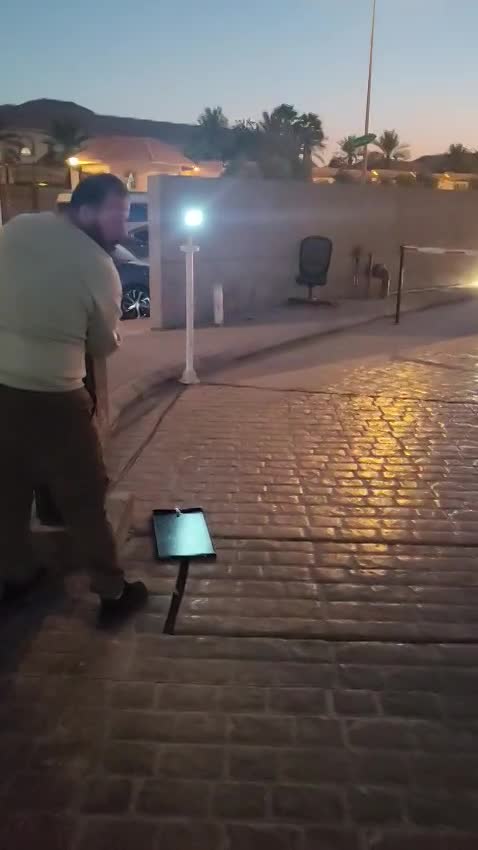
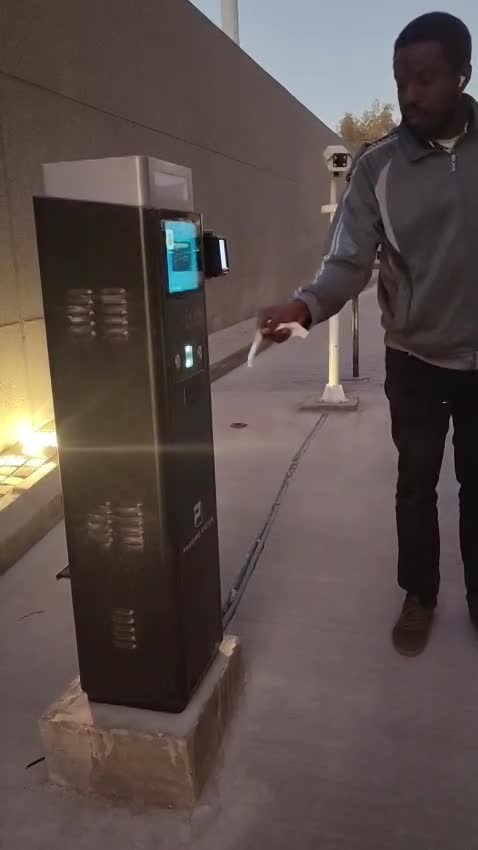
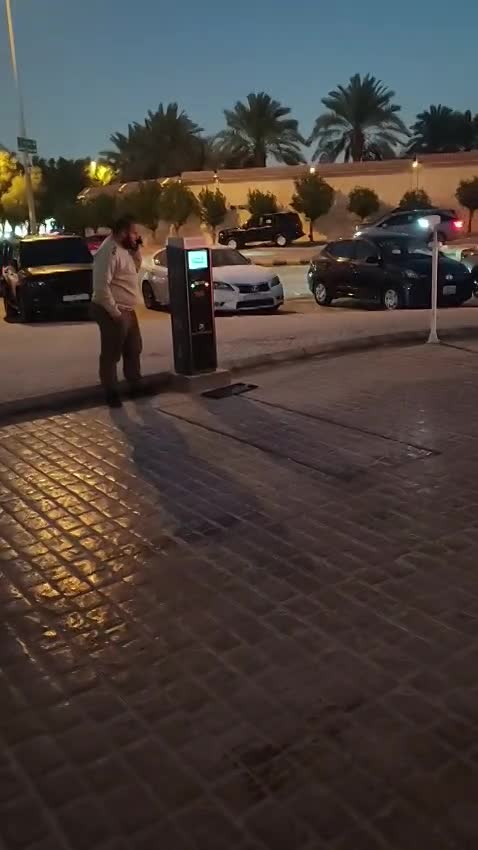
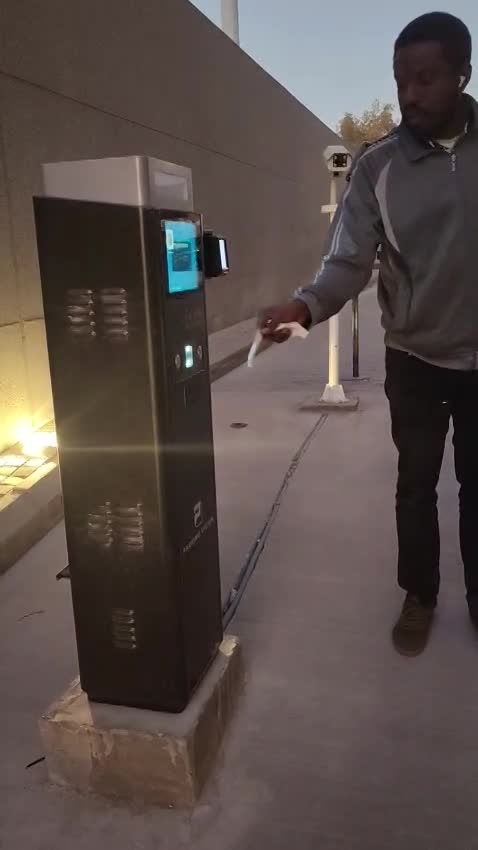
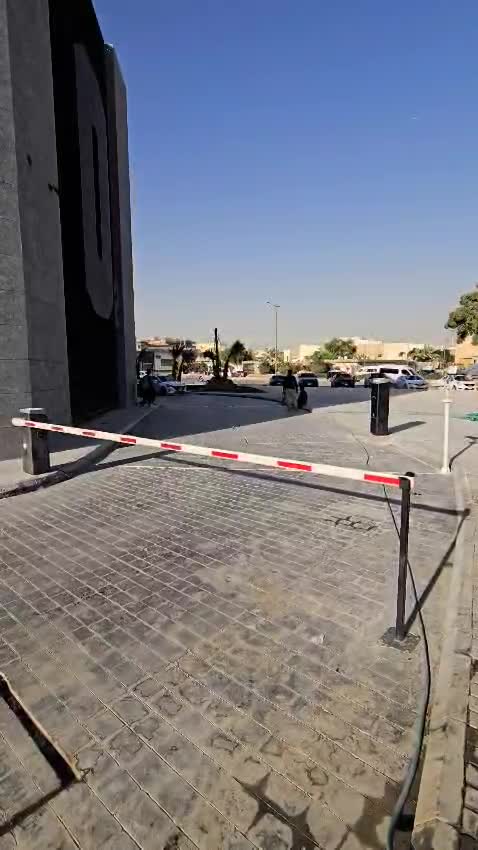
The system was built in four layers. Barriers: an SCI-BAR-ARM6M-KIT automatic barrier with a 6-metre arm on each lane, supplied with two remote controls for manual opening and closing when needed, mounted on an SCI-MNT-BAR-STAND. The arm length is not a cosmetic detail — it is what allows a single barrier to cover the full lane width instead of two. Lane devices: at entry, an Android-based SCI-GAT-ENT-AND-TKT unit combining the access control panel, ticket printer, card reader and ticket button in one housing, in rust-resistant steel with an automotive-grade paint shell and multiple anti-corrosion treatment — a deliberate specification for a device that stands outdoors and is touched thousands of times. At exit, an Android-based SCI-GAT-EXT-AND-QR unit with access control, QR reader, card reader, intercom and screen, covering self-payment, verification and contact with management for any exception from a single point. Detection and recognition: a two-channel SCI-SEN-LOOP-2CH ground loop detector senses vehicle presence and movement in the lane, and an SCI-SAF-PHOTOCELL photocell prevents the arm from lowering while a vehicle is beneath it. Above them, an ANPR camera from the SCI-CAM-ANPR-KIT with its mount reads every vehicle's plate; when a plate matches a pre-registered record on the club's member list, the barrier opens automatically on entry and exit with no ticket and no manual payment. That single point is what separates the member experience from the visitor experience within the same lane. المصدات والبوابات (Barriers): بوابات آلية من طراز SCI-BAR-ARM6M-KIT مع ذراع بطول 6 أمتار لكل مسار، وتأتي مع جهازي تحكم عن بُعد (ريموت) للفتح والإغلاق اليدوي عند الحاجة، مثبتة على قاعدة طراز SCI-MNT-BAR-STAND. طول الذراع ليس تفصيلاً جميلياً؛ بل هو ما يتيح لبوابة واحدة تغطية عرض المسار بالكامل بدلاً من بوابتين. أجهزة المسارات (Lane devices): عند المدخل، توجد وحدة أندرويد طراز SCI-GAT-ENT-AND-TKT تجمع بين لوحة التحكم بالدخول، طابعة التذاكر، قارئ البطاقات، وزر طلب التذكرة في هيكل واحد مصنوع من الفولاذ المقاوم للصدأ ومطلي بطبقة طلاء مخصصة للسيارات مع معالجات متعددة لمقاومة التآكل — وهي مواصفة مقصودة لجهاز يعمل في الهواء الطلق ويتم لمسه آلاف المرات. وعند المخرج، توجد وحدة أندرويد طراز SCI-GAT-EXT-AND-QR مزودة بنظام تحكم بالدخول، قارئ رمز QR، قارئ بطاقات، نظام اتصال داخلي (انتركوم)، وشاشة عرض، لتغطي الدفع الذاتي، التحقق، والتواصل مع الإدارة لأي حالة استثنائية من نقطة واحدة. الكشف والتعرف (Detection and recognition): مستشعر أرضي ثنائي القناة طراز SCI-SEN-LOOP-2CH يستشعر وجود المركبة وحركتها في المسار، بينما تمنع الخلية الضوئية (Photocell) طراز SCI-SAF-PHOTOCELL الذراع من النزول أثناء وجود مركبة أسفلها. وفوق كل ذلك، تقرأ كاميرا التعرف الآلي على اللوحات من مجموعة SCI-CAM-ANPR-KIT المثبتة لوحة كل سيارة؛ وعند مطابقة اللوحة مع سجل مُسجل مسبقاً في قائمة أعضاء النادي، تفتح البوابة تلقائياً عند الدخول والخروج دون الحاجة لتذكرة أو دفع يدوي. هذه الجزئية تحديداً هي ما يفصل بين تجربة العضو وتجربة الزائر داخل المسار نفسه. الشبكة والتحكم (Network and control): ترتبط جميع الأجهزة عبر كابلات شبكة موحدة تمتد إلى غرفة البيانات بالنادي من خلال مفتاح شبكة ذكي (PoE) طراز Reyee RG-ES218GC-P يحتوي على 18 منفذ جيجابت، وموضوع داخل كابينة أجهزة (Rack) بمقاس 9U. يعمل النظام بالكامل عبر بروتوكول IP وتتم إدارته بواسطة برنامج إدارة المواقف والدفع الذاتي SCI-SFT-PARK-PAY (النسخة الرئيسية)، المثبت على كمبيوتر مصغر (Mini PC) بمعالج Core i7، وذاكرة عشوائية 16GB، وقرص تخزين SSD بسعة 512GB. هذه البنية هي ما يجعل أي تعديل — سواء إضافة لوحة عضو جديد، تعديل التعريفة، أو مراجعة حركة المسار — أمراً يتم من نقطة واحدة بدلاً من التعديل على الجهاز نفسه. Network and control: all devices are connected by unified network cabling running back to the club's data room through a Reyee RG-ES218GC-P 18-port gigabit smart PoE switch, housed in a 9U equipment rack. The system runs entirely over IP and is managed by the SCI-SFT-PARK-PAY parking management and self-payment software, master version, installed on a mini PC with a Core i7 processor, 16GB of RAM and a 512GB SSD. That structure is what makes any change — adding a new member's plate, adjusting a tariff, reviewing lane activity — something done from one point rather than at the device itself.
Execution | التنفيذ
Installation, programming and full integration were completed within three to four actual working days. Work began with positioning the barriers and devices in both lanes, preparing mounting points and power provisions and cutting the loop detector channels into the ground, followed by running the unified network cabling to the data room and installing the barriers, entry and exit units and ANPR cameras with reading angles set to plate height. The switch, rack and central PC were then installed and IP addresses assigned, the parking management software deployed, and the operating logic programmed: barrier opening conditions, registered plates linked to the member list, and photocell and loop detector behaviour set so the arm only lowers once the lane is confirmed clear. Both lanes were tested with real vehicles in member and visitor scenarios before handover to the club team. اكتملت أعمال التركيب، البرمجة، والربط المتكامل خلال ثلاثة إلى أربعة أيام عمل فعلية. بدأت الأعمال بتحديد مواقع البوابات والأجهزة في كلا المسارين، تجهيز نقاط التثبيت ومصادر الطاقة، وقص القنوات الأرضية لمستشعرات الحركة (Loop detectors). تلا ذلك تمديد كابلات الشبكة الموحدة إلى غرفة البيانات، وتركيب البوابات، وحدات الدخول والخروج، وكاميرات التعرف على اللوحات مع ضبط زوايا القراءة لتناسب ارتفاع اللوحات. بعد ذلك، تم تركيب مفتاح الشبكة (Switch)، الكابينة، والكمبيوتر المركزي وتعيين عناوين IP، ثم تثبيت برنامج إدارة المواقف وبرمجة منطق التشغيل: شروط فتح البوابة، ربط اللوحات المسجلة بقائمة الأعضاء، وضبط سلوك الخلية الضوئية ومستشعر الحركة بحيث لا تنزل الذراع إلا بعد التأكد التام من خلو المسار. وخضع كلا المسارين للاختبار بسيارات الحقيقية في سيناريوهات تجربة الأعضاء والزوار قبل التسليم لفريق النادي.
Results | النتيجة
Two fully automated lanes: registered members enter and exit without stopping thanks to plate recognition, visitors issue their own ticket and settle payment without a cashier, and the arm lowers only on confirmation from the photocell and loop detector. All of it is managed from a single PC in the club's data room over the network — and delivered in four working days without interrupting traffic through the entrances. مساران مؤتمتان بالكامل: يدخل الأعضاء المسجلون ويخرجون دون توقف بفضل نظام التعرف على اللوحات، ويصدر الزوار تذاكرهم بنفسهم ويسددون رسومهم دون الحاجة لموظف تحصيل، ولا تنزل الذراع إلا بعد تأكيد الخلية الضوئية ومستشعر الحركة. يتم التحكم في كل هذه المنظومة من جهاز كمبيوتر واحد في غرفة البيانات بالنادي عبر الشبكة — وتم تسليم المشروع في أربعة أيام عمل دون تعطيل حركة المرور عبر المداخل.